About Us
Our Mission:
inspire and empower consumers to eat healthier
and live better.
Commitment to Quality
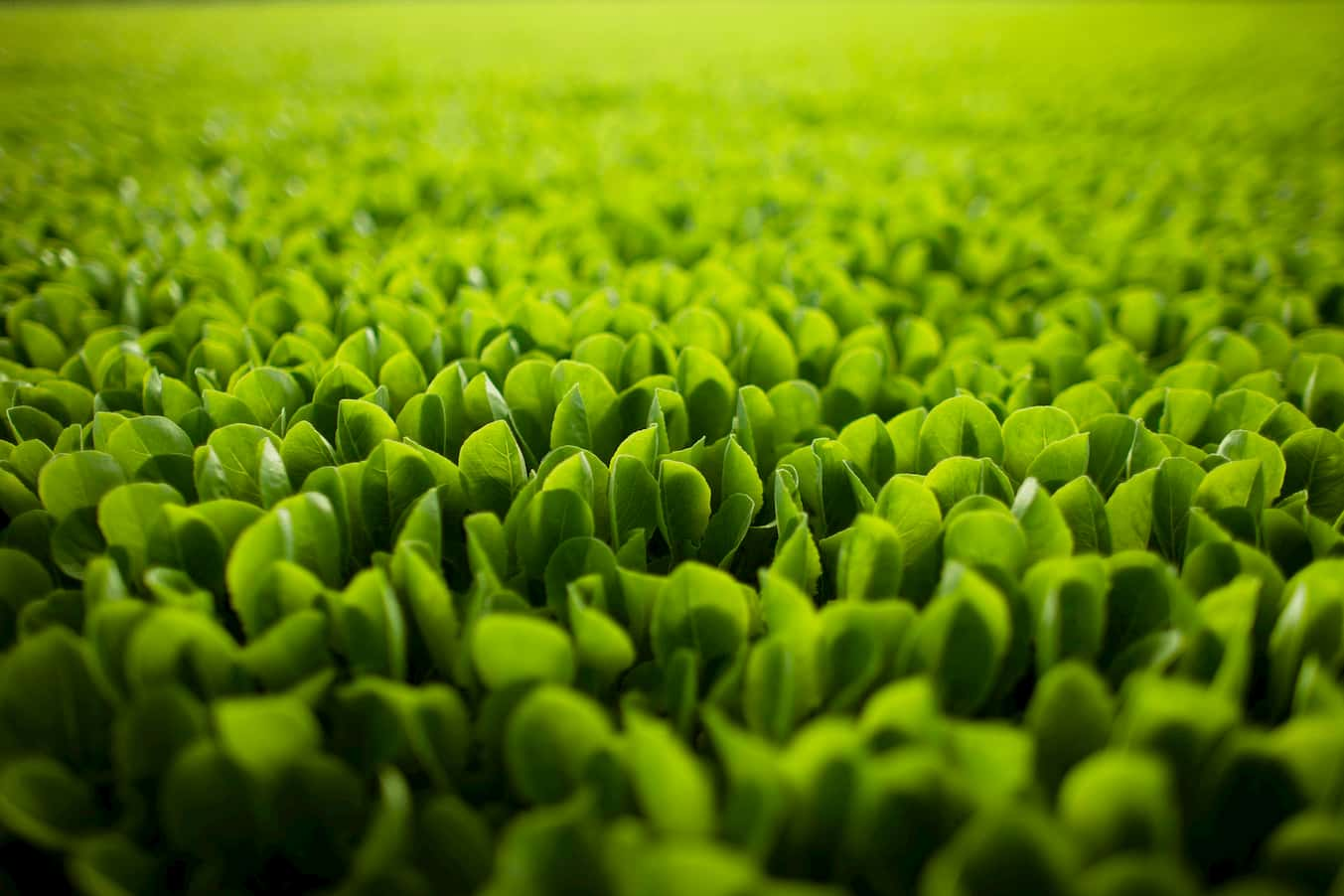
We are dedicated to the highest quality standards, providing people nutritious, farm-fresh products that taste delicious and exceed expectations. Combining responsible farming practices, radical transparency, and state-of-the-art production, we give people the power to experience healthy living like never before.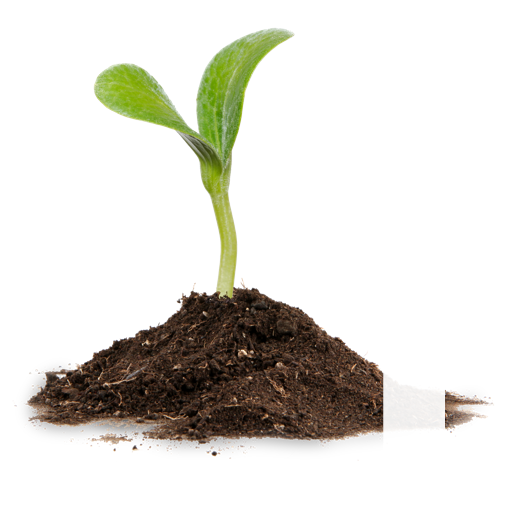
Environmental Responsibility
Since day one, we’ve taken a sustainable approach to all our products, constantly improving and enhancing our growing techniques to create food that’s good for you and easy on the planet. As a leader in the fruit and vegetable categories, we take pride in our responsible practices and setting the bar for employee respect and environmental preservation.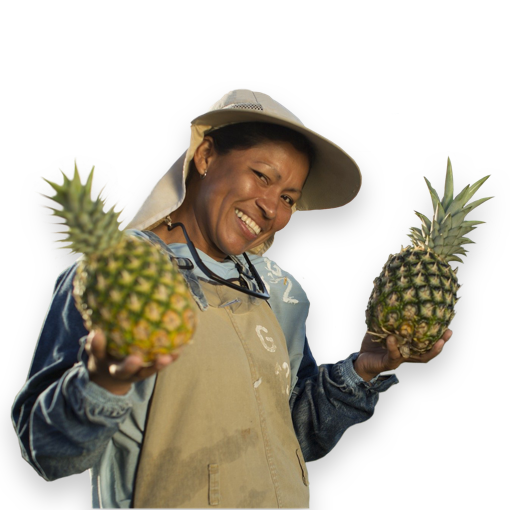
Belief in Our People
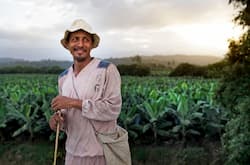
Great products start with amazing people. That’s why we work tirelessly to empower our farmers and workers, offering competitive wages, ample benefits, and safe work environments. At Dole, we believe that happy hands always make the healthiest cuisine.Our Roots
Since the beginning, everything we do at Dole revolves around a simple principle: quality, quality, and quality. Since then, Dole has grown into an industry leader with a broad range of products and markets, continually striving to put the highest-quality food on tables around the world.1851
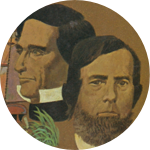 The foundations of Dole Food Company, Inc. are laid as Bostonians Samuel Castle and Amos Cooke set up their trading company in Hawaii.
1863
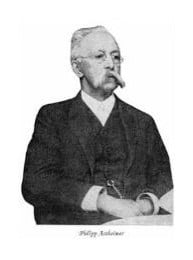 Philipp Astheimer & Sohn is established in Hamburg, Germany. This company is now the basis for Dole's European business.
1899
 James Drummond Dole comes to Hawaii, fresh out of Harvard's School of Horticulture & Agriculture
1901
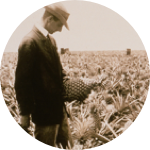 James Dole begins growing pineapples in Wahiawa, Oahu and establishes the Hawaiian Pineapple Company. Hawaii becomes synonymous with pineapples. Dole makes his famous quality pledge: "We have built this company on quality, and quality, and quality".
1933
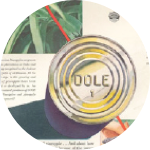 Recognizing the popularity and quality associated with James Dole’s name, the company first stamps "Dole" on cans of pineapple and pineapple juice.
1961
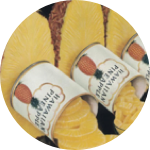 Castle & Cooke acquires the Dole Food Company, keeping the popular DOLE brand.
1964
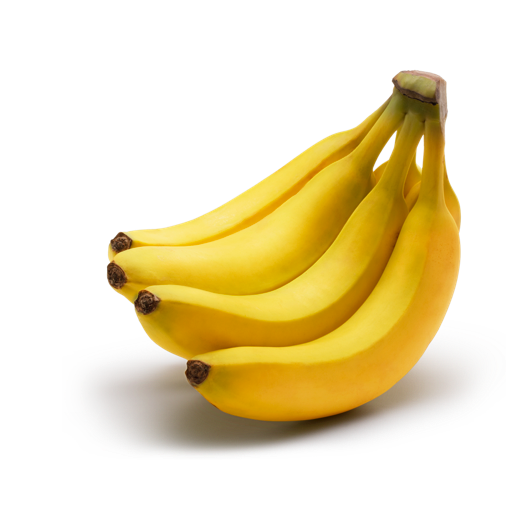
 Expanding into bananas when purchasing the Standard Fruit and Steamship Company, the control of our bananas from the time they are grown until the time they arrive at customers’ warehouses furthers our ability to ensure quality.
1978
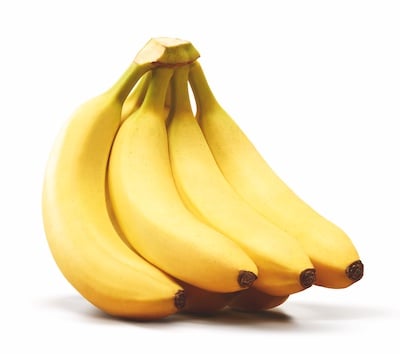 Dole bananas are launched in Europe.
1986
 The Dole logo is redesigned. The bright yellow sunburst is chosen, signifying freshness, quality, wholesomeness and good-tasting products.
1990
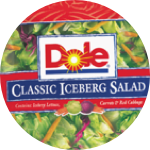 Dole expands to include packaged fresh vegetables, including pre-cut vegetables and salads. This soon becomes our fastest growing segment in supermarkets.
1995
 Dole’s global reach extends to more than 90 countries with over 170 fresh and packaged food products.
2001
 Organic bananas are introduced.
2013
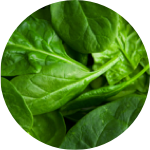 Sale of Dole’s packaged foods branch to Itochu Corporation is completed, enabling us to focus on fresh produce.
2018
 Dole owner David Murdock completes sale of a 45% equity stake in Dole Food Company to Total Produce.
2018
 Dole refreshes brand identity to evoke farm freshness in its evolved logo.